
Introduction
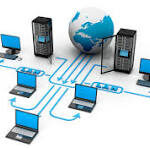
In today’s digital world, networking hardware devices play a vital role in connecting computers, smartphones, servers, and other smart devices to the internet and to each other. Whether it’s a home Wi-Fi setup or a large enterprise network, devices like routers, switches, and modems form the backbone of communication networks.
This article provides a complete guide to networking hardware devices, focusing on routers, switches, and modems, their functions, types, differences, and real-world applications. It is fully optimized for SEO and easy to understand for beginners and professionals alike.
What Are Networking Hardware Devices?
Networking hardware devices are physical components used to build, manage, and maintain computer networks. These devices control data traffic, ensure secure communication, and enable devices to share resources efficiently.
Common networking hardware devices include:
- Modems
- Routers
- Switches
- Hubs
- Access Points
- Network Interface Cards (NICs)
In this article, we’ll focus on the three most important devices: Modems, Routers, and Switches.
Modem: Definition, Types & Functions
What Is a Modem?
A modem (Modulator–Demodulator) is a networking device that connects your local network to your Internet Service Provider (ISP). It converts digital data from your computer into analog signals for transmission over telephone, cable, or fiber lines—and vice versa.
Functions of a Modem
- Connects your network to the internet
- Converts digital signals to analog and analog to digital
- Acts as the gateway between ISP and local network
- Provides a public IP address from the ISP
Types of Modems
- Dial-Up Modem – Uses telephone lines (mostly obsolete)
- DSL Modem – Uses digital subscriber lines
- Cable Modem – Uses coaxial cable (common in homes)
- Fiber Modem (ONT) – Used with fiber-optic connections
- Wireless Modem – Uses cellular networks (4G/5G)
Advantages of a Modem
- Essential for internet access
- Supports high-speed connectivity
- Reliable connection to ISPs
Router: Definition, Types & Functions
What Is a Router?
A router is a networking device that directs data packets between different networks. It connects multiple devices to a single internet connection and allows them to communicate with each other.
Functions of a Router
- Shares internet connection among multiple devices
- Assigns local IP addresses (DHCP)
- Routes data packets efficiently
- Provides network security (firewalls, NAT)
- Enables Wi-Fi connectivity
Types of Routers
- Wired Router – Uses Ethernet cables
- Wireless Router – Provides Wi-Fi connectivity
- Core Router – Used in large enterprise networks
- Edge Router – Connects internal networks to external ones
- Virtual Router – Software-based routing solution
Advantages of a Router
- Supports multiple devices
- Enhances network security
- Manages traffic efficiently
- Enables wireless networking
Switch: Definition, Types & Functions
What Is a Switch?
A network switch is a device that connects multiple devices within a local area network (LAN). It uses MAC addresses to forward data only to the intended recipient, improving network performance.
Functions of a Switch
- Connects devices within a LAN
- Reduces network congestion
- Improves data transfer speed
- Enhances network efficiency
- Supports VLANs in managed switches
Types of Network Switches
- Unmanaged Switch – Plug-and-play, no configuration
- Managed Switch – Allows advanced configuration and monitoring
- Smart Switch – Limited management features
- Layer 2 Switch – Works with MAC addresses
- Layer 3 Switch – Supports routing functions
Advantages of a Switch
- Faster data transfer
- Better network control
- Improved security
- Scalable for large networks
Difference Between Modem, Router, and Switch
| Feature | Modem | Router | Switch |
|---|---|---|---|
| Connects to Internet | ✅ Yes | ❌ No (needs modem) | ❌ No |
| Connects Multiple Devices | ❌ No | ✅ Yes | ✅ Yes |
| Uses IP Addresses | ❌ No | ✅ Yes | ❌ No |
| Used in LAN | ❌ No | ✅ Yes | ✅ Yes |
| Main Role | Internet access | Traffic routing | Device connection |
How These Devices Work Together
In a typical network setup:
- Modem connects to the ISP
- Router connects to the modem and shares internet
- Switch expands the network by connecting multiple wired devices
This combination ensures fast, secure, and efficient network communication.
Importance of Networking Hardware Devices
- Enable internet connectivity
- Support business and home networks
- Improve communication and data sharing
- Ensure network security and reliability
- Essential for cloud computing and IoT
SEO Keywords (Naturally Used)
- Networking hardware devices
- Router vs switch vs modem
- Functions of router
- Types of networking devices
- What is a modem
- Computer networking hardware
- Network devices explained
FAQs – Frequently Asked Questions
What is the main difference between a router and a modem?
A modem connects your network to the internet, while a router distributes that internet connection to multiple devices.
Can a router work without a modem?
No, a router needs a modem to access the internet unless it has a built-in cellular connection.
Do I need a switch if I already have a router?
If you need more wired Ethernet ports than your router provides, then yes, a switch is required.
What is better: managed or unmanaged switch?
Managed switches are better for businesses and large networks, while unmanaged switches are ideal for home use.
Is a modem a networking device?
Yes, a modem is a networking device that enables internet connectivity from an ISP.
Can one device perform all functions?
Yes, many modern devices combine modem and router functionality in a single unit.
Conclusion
Networking hardware devices such as modems, routers, and switches are essential components of modern communication systems. Each device has a unique role, and together they create a reliable, fast, and secure network. Understanding how these devices work helps individuals and businesses make better networking decisions.